
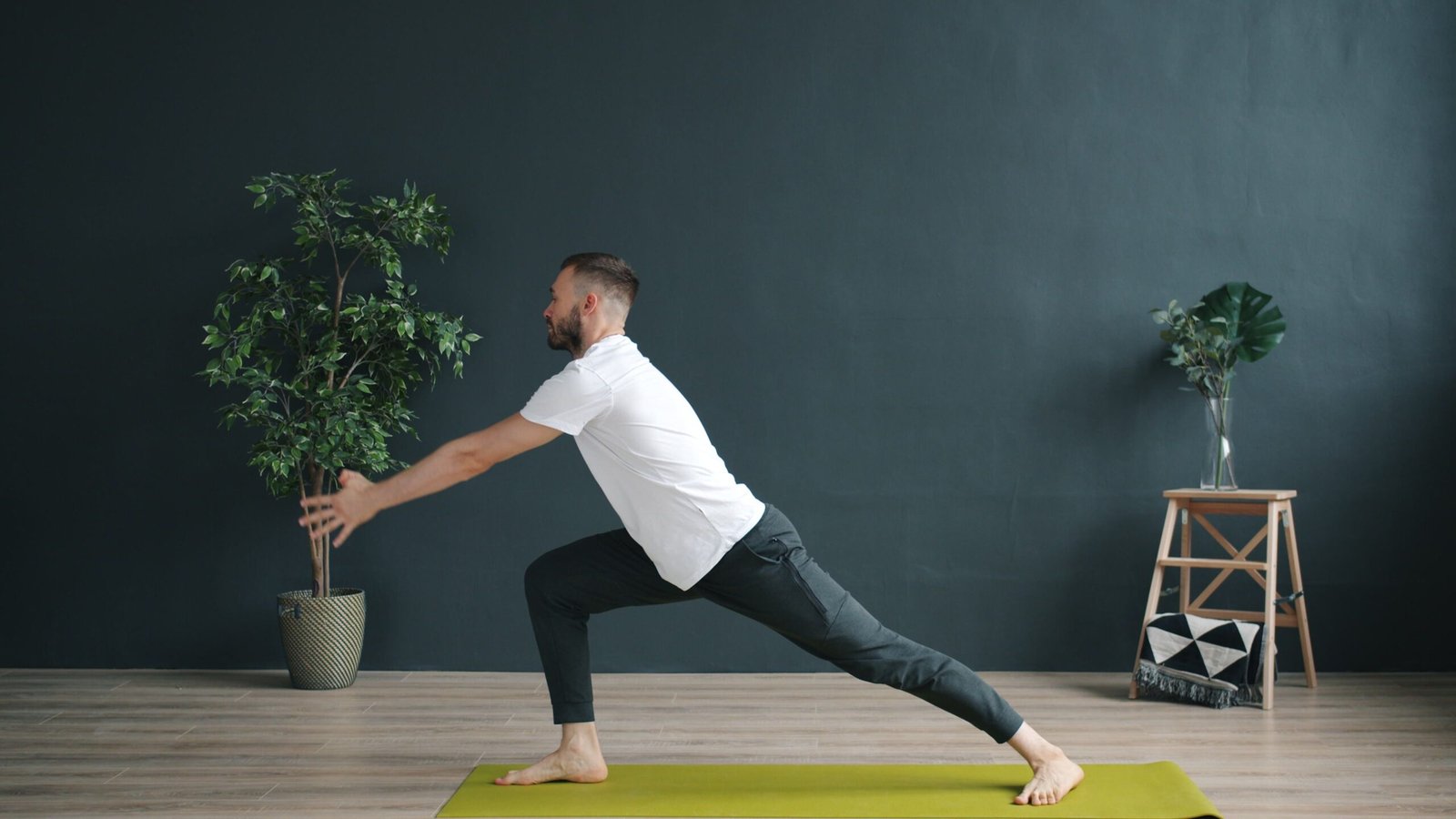
Restorative hip mobility exercises offer a gentle, equipment-free way to release the tension we hold in our lower bodies. Naturally, I remember a time when my own hips felt like rusty hinges after hours spent working at my desk. Fortunately, orthopedic physical therapist Dr. Andrew Gorecki explains that we can fix this common stiffness by changing how we move. Consequently, we realize that most hip pain stems from the surrounding tight muscles rather than the actual joint itself.
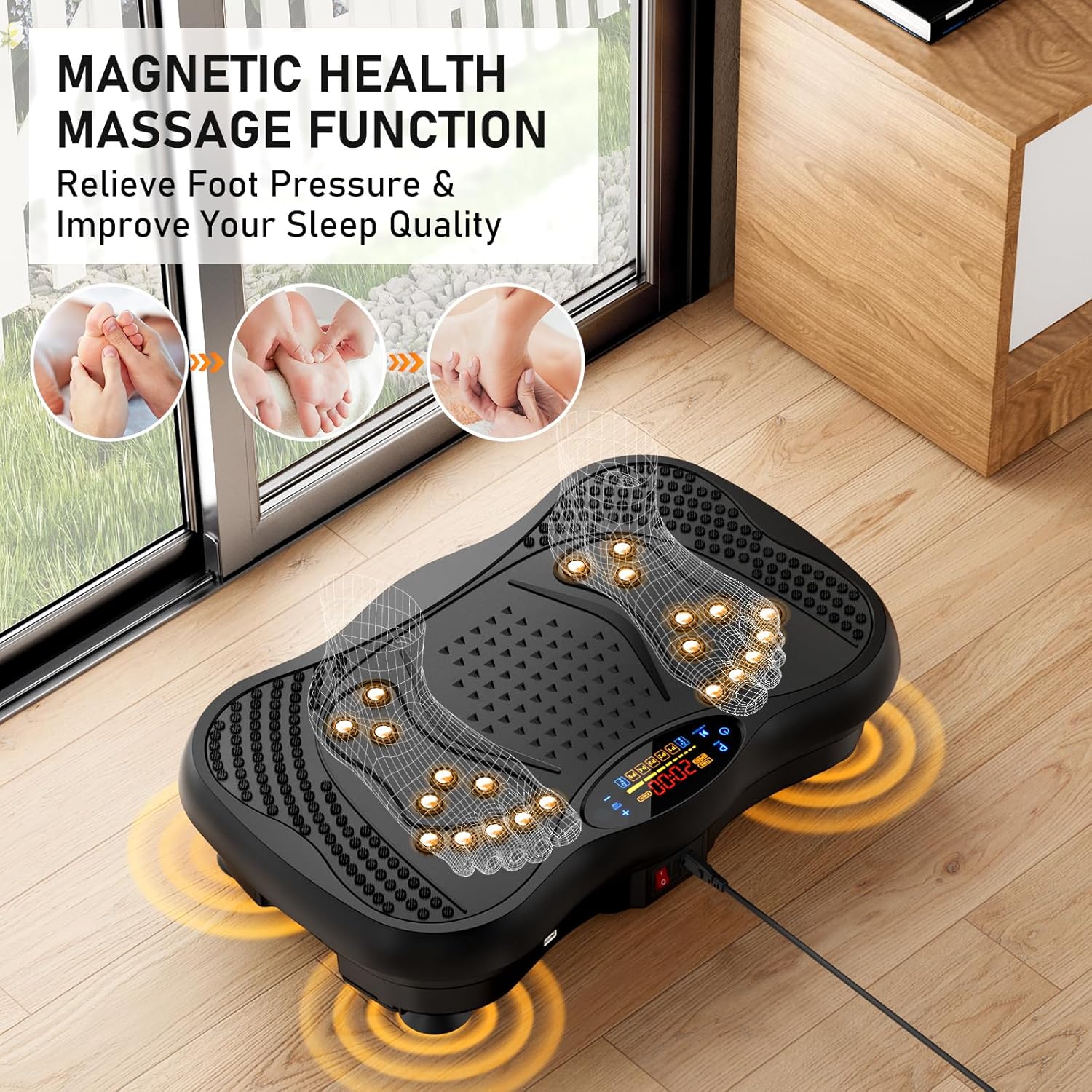
Full-Body Vibration Plate Machine
Enhance your daily wellness routine right from home. This powerful, 130-level vibrating platform gently supports lymphatic drainage, boosts circulation, and aids in muscle recovery. With a 450-pound capacity and included resistance bands, it is an accessible, low-impact way to support your long-term fitness and mobility goals.
Shop on AmazonWhy We Need Restorative Hip Mobility Exercises Daily
Restorative hip mobility exercises focus on moving the body through all three planes of motion: forward and backward, side-to-side, and rotational. Because modern routines limit our movement to straight lines, our inner thighs stiffen, and our hip flexors shorten dramatically. Therefore, actively opening these joints prevents compression, tendinitis, and daily physical discomfort.
Furthermore, we spend most of our lives moving in just one direction. For example, walking on flat ground or sitting in a chair only requires forward and backward motion. Ultimately, this repetitive lifestyle weakens our inner-thigh adductors and tightens the front of our hips over time.
Because our muscles grow shorter when we neglect them, the joint space itself compresses under pressure. In fact, Dr. Gorecki notes that this exact compression causes tendinitis, bursitis, and everyday persistent aches. Instead, we must train our muscles in the exact ways they function during a realistic, active life.

MERACH Under-Desk Elliptical
Keep your body moving without ever leaving your favorite chair. This whisper-quiet motorized elliptical offers 12 adjustable speeds and a handy remote, making it the perfect low-impact workout for seniors, remote workers, or anyone looking to safely boost daily circulation and joint mobility from home.
Shop on AmazonThe Foundation of Restorative Hip Mobility Exercises
Performing restorative hip mobility exercises correctly means completing each movement across three different physical planes. Specifically, you stretch and strengthen the muscles forward, laterally, and in a circular twisting motion. Consequently, this multi-directional approach lessens joint pressure and allows chronic hip pain to subside naturally.
To rebuild your foundational strength, Dr. Gorecki designed four simple movements that require zero equipment. Moreover, you can seamlessly blend these gentle stretches into your morning routine or evening wind-down. Let us look at how you can apply these habits at home.
| Movement Plane | Real-Life Household Example | Why It Matters For Hips |
| Front-to-Back (Sagittal) | Walking, sitting, bending to pick up a laundry basket. | Lengthens shortened hip flexors caused by office chairs. |
| Side-to-Side (Frontal) | Stepping out of a car, lateral shuffling in the kitchen. | Activates inner thighs and maintains lateral joint space. |
| Rotational (Transverse) | Turning to look behind you, twisting to grab an object. | Engages deep stabilizers and prevents lower back pulling. |

Four Movements to Release Tight Hips
You can relieve tension by practicing a multi-plane hip flexor stretch, an adductor opening sequence, a lunge matrix, and a three-way reach. Furthermore, doing these specific movements daily restores the functional strength that long hours of sitting steal from us. Therefore, you only need a few minutes and a quiet spot on your rug to begin.
1. Multi-Plane Hip Flexor Stretch
Because sitting forces our hip flexors into a constantly shortened position, they pull aggressively on the lower spine. Consequently, this tightness frequently manifests as persistent lower-back ache alongside standard hip discomfort. However, working these muscles across three planes restores their lost elasticity and comfort.
- Why it matters: Most people stretch their hips only front-to-back. Therefore, they never address the side-to-side and rotational stiffness that traps deep tension.
- How it helps: You release the tight physical grip your hip flexors maintain on your lower spine.
- Reality: You only need a soft carpet or a folded towel under your knee.
Specifically, you start in a half-kneeling position with your left foot flat on the floor. Meanwhile, you rest your right knee directly beneath your right hip and tuck your pelvis to flatten your lower back. Then, you gently shift your hips forward and backward for thirty seconds. Next, you reposition your front foot outward to a 45-degree angle and repeat the gentle forward-and-back shifting. Finally, you move your foot outward to a 90-degree angle, shift again for thirty seconds, and then switch sides.

2. Multi-Plane Adductor Opening
Whenever your inner-thigh adductors stay tight, your hip joint loses vital internal space. Furthermore, this tightness prevents your glute muscles from firing correctly when you walk or climb stairs. Instead, opening these adductors restores that joint space and allows your body to function smoothly.
- Why it matters: Your adductors directly control the structural balance of your pelvis.
- How it helps: By applying restorative hip mobility exercises to this area, you activate your glutes and remove pressure from your knees.
- Reality: You can use a sturdy dining chair or even rest your hand against a doorway for balance.
For example, you stand beside a sturdy chair and place your left foot on the seat. Subsequently, you turn your foot outward to 90 degrees so the inside of your leg faces the room. First, you shift your hips side to side toward the chair. Second, you gently push your hips forward. Ultimately, you finish by moving your hips in slow, small circles for thirty seconds before switching legs.
3. The Three-Way Lunge Matrix
Naturally, real life loads our hips in every possible direction as we navigate our homes and communities. However, standard workout routines usually only strengthen the legs in a straight, forward-facing line. Therefore, incorporating restorative hip mobility exercises like a three-way lunge provides the most efficient way to rebuild comprehensive lower-body strength.
- Why it matters: You train the entire hip complex, including quadriceps, hamstrings, and rotator muscles.
- How it helps: You teach your body to handle uneven terrain and sudden directional shifts effortlessly.
- Reality: You perform this right in your hallway using your own body weight strictly.
First, you stand with your feet hip-width apart. Then, you step your left foot forward, bend both knees to lower yourself, and push back up. Afterward, you step your left foot straight out to the side, bending that knee while keeping the right leg entirely straight. Finally, you lift your left foot, rotate your hips left, and step backward into a smooth rotational lunge.
Read Also: Healthy Processed Foods To Eat: Dietitian Grocery Guide
4. The Stabilizing Three-Way Reach
In fact, the gluteus medius acts as the most critical muscle for overall hip health and stability. Because weak stabilizers act as the silent driver of joint pain, we must train our standing leg to balance actively. Consequently, this reaching exercise works far better than traditional floor-based clam exercises.
- Why it matters: You force the deep hip stabilizers to work against gravity.
- How it helps: You build endurance in the muscles that hold your pelvis level while walking.
- Reality: You simply hold onto your kitchen counter while boiling water for tea.
Specifically, you shift your weight onto your left leg and hover your right foot off the floor. Next, you bend your left knee slightly and tap your right heel on the floor directly in front of you. Then, you reach your right foot out to the side to lightly tap your toes. Ultimately, you reach that right foot diagonally behind your standing leg, tap the toes, and return to the center to finish the movement.

Restorative hip mobility exercises focus on moving the hip joint through all three planes of motion to release tight muscles. Instead of just stretching forward and backward, incorporating side-to-side and rotational movements creates vital space in the joint. Consequently, this multi-directional approach naturally alleviates pain associated with tight hip flexors and weak glutes caused by prolonged sitting.