
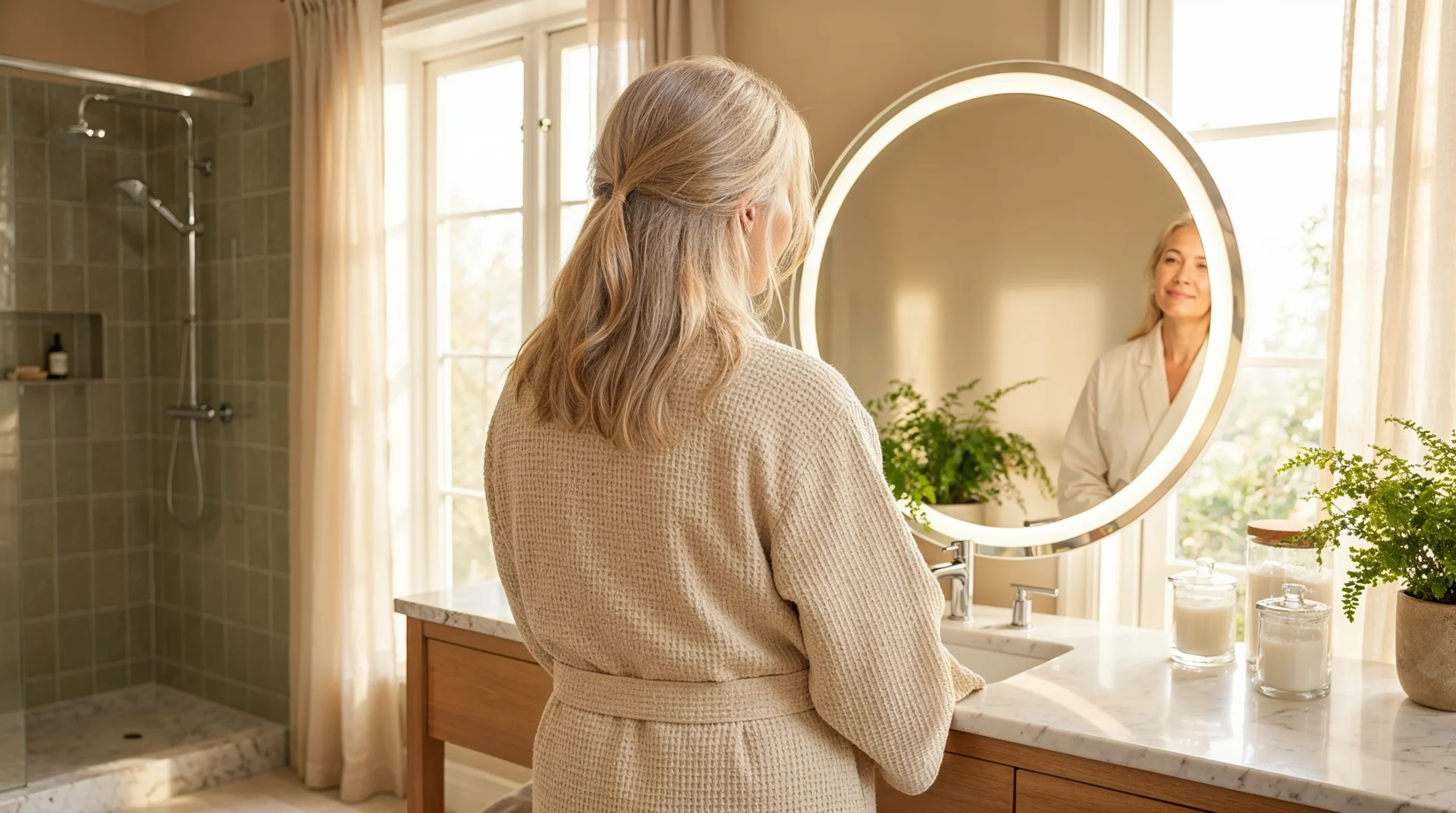
Families frequently ask me how often seniors should shower to maintain both personal comfort and physical health. We often assume that daily bathing remains a lifelong necessity; however, aging changes our bodies, our energy levels, and our skin’s needs. Naturally, shifting away from a daily shower routine can feel incredibly confusing for many older adults. Fortunately, scaling back usually represents a normal, healthy adaptation rather than a loss of personal dignity.

NuFACE MINI+ Ultimate Uplift Kit
Transform your daily skincare routine into a luxurious, spa-level ritual. This complete lifting and contouring set features the FDA-cleared MINI+ microcurrent device, hydrating Aqua Gel, and targeted power patches to gently sculpt and tone your facial contours. Perfectly packaged for the ultimate self-care investment.
Shop on AmazonUnderstanding How Often Seniors Should Shower Safely
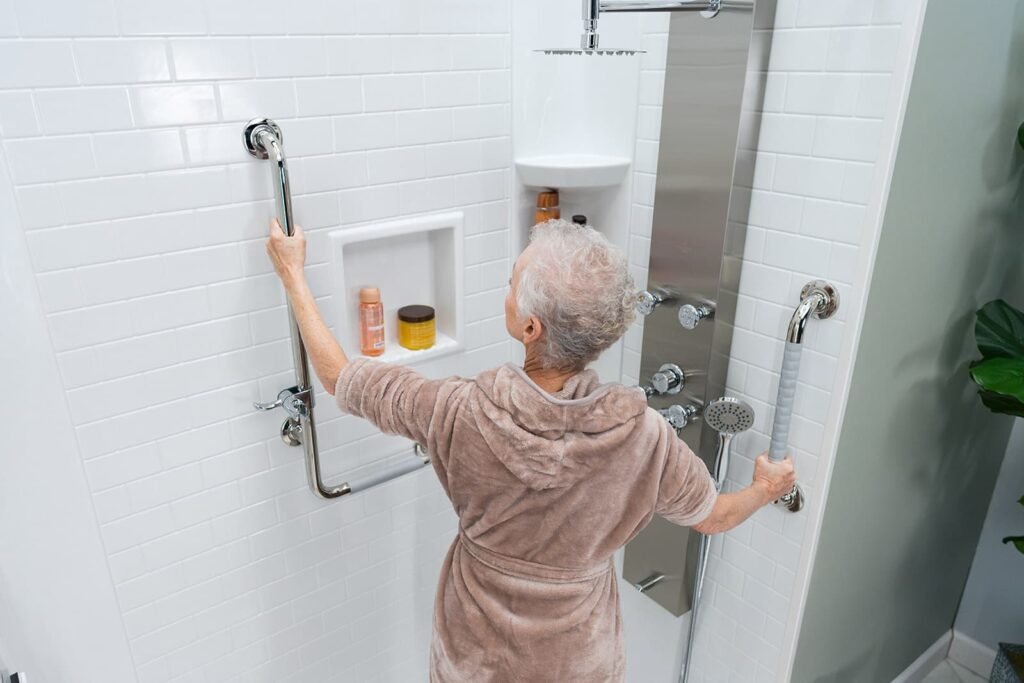
When families ask how often seniors should shower, medical professionals generally recommend two to three full baths per week. Ultimately, aging skin produces far less oil, making daily washing entirely unnecessary. Therefore, gentle spot cleaning on non-shower days provides plenty of hygiene while protecting fragile skin barriers.
Older adults often bathe less because the physical process simply becomes exhausting. For instance, stepping over a cold, slippery tub requires immense balance and precious energy. Meanwhile, cognitive changes can cause someone to forget their last shower date innocently.
Moreover, asking for help with such a private task requires profound vulnerability. Consequently, a compassionate approach matters far more than a rigid hygiene schedule. Caregivers must prioritize emotional safety alongside physical cleanliness.

TAILI Suction Shower Grab Bars (2-Pack)
Ensure peace of mind and enhanced stability in the bathroom with these heavy-duty suction handles. Designed for a secure, tool-free installation, they provide reliable, removable support for seniors, recovering patients, or anyone needing an extra grip in slippery spaces.
Shop on AmazonThe Hidden Reasons Behind Changing Routines
Recognizing the root causes of avoidance helps caregivers offer much better support. First, reduced mobility makes wet bathrooms feel incredibly dangerous and overwhelming. Second, weakened senses of smell might prevent an older adult from noticing natural body odor.
Furthermore, arthritis or breathing difficulties can turn a basic wash into a marathon effort. Therefore, Dr. Heather R. Swanson from CareMore Health suggests evaluating safety and functional decline instead of assuming a purposeful refusal.

30-Inch Bathroom Safety Support Rail
Upgrade your bathroom’s accessibility and safety with this heavy-duty handrail. Designed to provide sturdy, reliable leverage near the toilet or bathtub, it offers essential peace of mind and independence for seniors or anyone recovering from surgery with limited mobility.
Shop on AmazonProtecting Aging Skin: Why Less is Often More
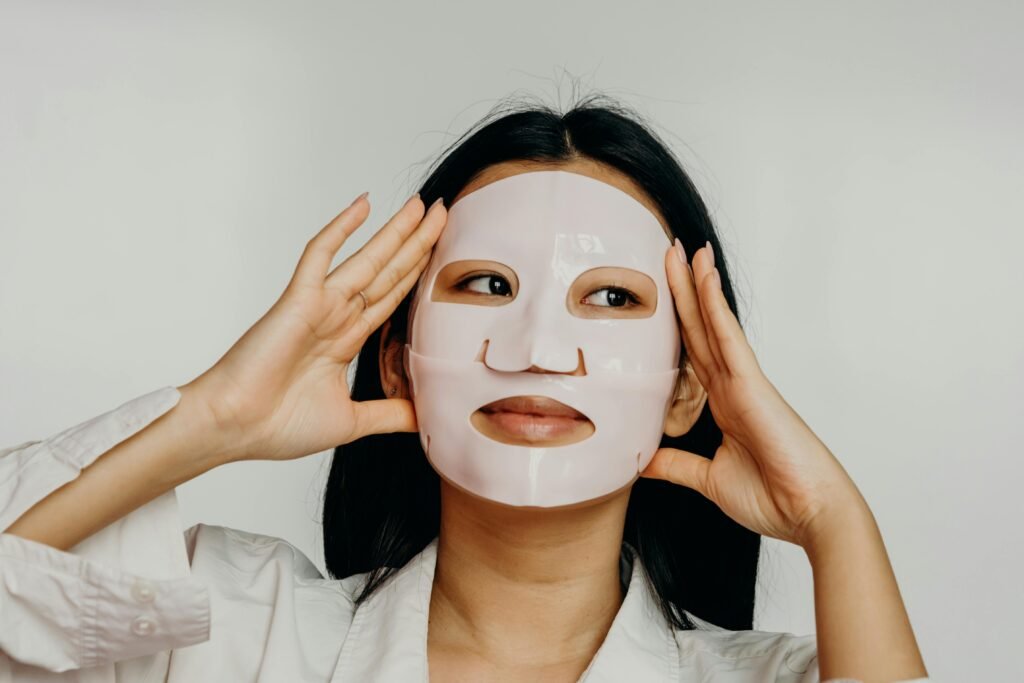
Dermatologists emphasize that aging skin becomes thinner, drier, and highly prone to tearing. Consequently, reducing how often seniors shower actually protects their natural moisture barrier. Furthermore, limiting water exposure prevents severe itching, cracking, and painful bacterial infections.

NuFACE IonPlex Hydra-Gel Power Mask (5-Pack)
Achieve a flawless, dewy glow from the comfort of your own home. These premium cooling hydrogel masks are infused with allantoin and glycerin to deeply hydrate, plump fine lines, and leave your skin with a radiant, glass-like finish. The ultimate addition to your weekly skincare ritual.
Shop on AmazonInstead of daily scrubbing, experts encourage brief, warm showers lasting merely five to ten minutes. Specifically, caregivers should use mild, fragrance-free cleansers only on areas that actively generate sweat. Consider this gentle bathing checklist
- Keep water warm, never hot.
- Limit showers to ten minutes maximum.
- Apply soap only to the underarms, groin, and feet.
- Pat skin dry gently with a plush towel.
- Apply ceramide moisturizers immediately to damp skin.
Focusing soap on targeted areas leaves the rest of the body safely hydrated. Afterward, you must pat the skin gently rather than rubbing it harshly. Finally, applying a thick, fragrance-free cream locks in essential moisture beautifully.
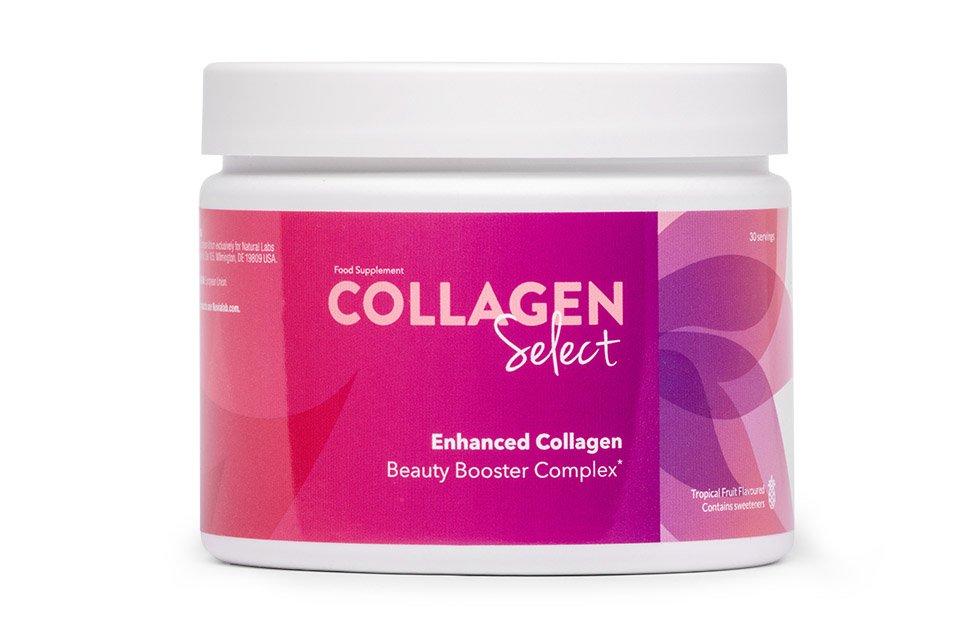
Collagen Select Anti-Aging
The best collagen on the market. This delicious tropical-flavored drink cares for your skin from the inside out. Trust the quality that millions of women rely on to support their natural beauty.
- Visibly reduces wrinkles and fine lines
- Increases skin elasticity and firmness
- Helps maintain a radiant, youthful appearance
Adapting How Often Should Seniors Shower For Different Lifestyles
Personal health factors heavily influence how often seniors should shower each week. Specifically, certain lifestyle variables require flexible, highly individualized hygiene routines. Ultimately, the goal is to preserve skin health rather than chase an arbitrary standard of cleanliness.
| Lifestyle Factor | Hygiene Recommendation | Practical Reason |
| Active Lifestyles | Increase bathing frequency | Sweat requires prompt removal to prevent painful rashes. |
| Incontinence Issues | Daily targeted cleaning | Prevents serious skin breakdown and dangerous infections. |
| Chronic Dry Skin | Fewer full showers | Protects the fragile microbiome and natural skin oils. |
Adjusting How Often Seniors Should Shower During Winter
Cold, dry weather dramatically shifts our seasonal bathing requirements. Consequently, winter climates demand even fewer full showers to prevent extreme skin dehydration. Instead, families should rely on warm sponge baths to maintain comfort without stripping vital oils.

NuFACE Trinity+ Microcurrent & Red Light Device
Elevate your evening routine with clinical-level skincare from the comfort of your own bathroom. This FDA-cleared device combines gentle microcurrents and targeted red light therapy to naturally lift, tighten, and smooth fine lines. It is a peaceful, non-invasive way to invest in your skin’s long-term radiance and elasticity.
Shop on AmazonCultivating Emotional Safety During Bathing Routines
Emotional reassurance drastically transforms the bathing experience for anxious older adults. Specifically, maintaining a calm, unhurried presence eliminates the stress that frequently surrounds hygiene routines. Therefore, families must prioritize emotional comfort to ensure the senior feels respected and deeply valued.
Understandably, needing physical assistance triggers deep embarrassment for many fiercely independent seniors. Consequently, caregivers must communicate clearly before initiating any physical contact. For example, explaining each step aloud reduces anxiety and builds essential trust between family members.
Furthermore, preserving modesty requires simple but impactful environmental adjustments. First, keeping a warm towel draped over the shoulders prevents uncomfortable chills. Second, allowing the older adult to hold a washcloth provides a comforting sense of control.
Sometimes, families struggle to determine how often seniors should shower without causing household tension. Fortunately, occupational therapists provide incredible guidance for adapting home environments safely. Furthermore, local Area Agencies on Aging frequently connect families with affordable safety equipment. Consequently, addressing these physical barriers early prevents hospitalizations and restores daily confidence. Ultimately, a successful bathing routine honors the individual’s comfort, protects their delicate skin, and ensures their absolute safety.

Medline Heavy-Duty Shower Chair
Enjoy a safer, more comfortable bathing experience with this medical-grade shower seat. Featuring slip-resistant feet, push-button adjustable height settings, and supportive padded armrests, it reliably accommodates up to 350 lbs for everyday stability and peace of mind.
Shop on Amazon